COMMODITY PRICES
Current aluminum price: Price, development & forecast for 2026
29.03.2026
The price of aluminum in 2026 is not just an LME issue. For Procurement Germany, Austria, and Switzerland, the main concerns at present are supply risks in the Gulf, European premiums, and the question of how benchmarks, availability, and import costs will move in tandem. Updated every two weeks.
price history
The LME price reflects the raw material basis. Physical premiums, alloy, semi-finished product surcharges, logistics, and currency are added to determine actual purchase prices.
AT A GLANCE
- Aluminium hat vom März-Hoch korrigiert, bleibt aber auf hohem Niveau. LME Aluminium Cash liegt Ende März weiter deutlich über Februar- und Vorjahresniveau. Die Korrektur vom Mitte-März-Hoch bei rund 3.500 US$/t hat sich fortgesetzt, ohne das Grundbild zu ändern: Der Markt ist günstiger als auf den Spitzen, aber klar teurer als noch vor einem Monat.
- Die physische Lage bleibt angespannt — und hat sich eher verschärft. Die LME-Bestände sind weiter gefallen und liegen auf einem im Jahresvergleich klar niedrigeren Niveau. Die europäischen physischen Prämien (Duty Paid) haben laut S&P Global mit rund 490 US$/t Mitte März ein Allzeithoch erreicht. Am 29. März wurde Albas Standort in Bahrain durch einen iranischen Angriff getroffen. Qatalum arbeitet weiter mit rund 60 % Kapazität. Das Versorgungsbild im Golf hat sich nicht entspannt.
- Besonders exponiert bleiben Warengruppen mit hohem Primärmetallanteil. Profile, Bleche, Guss- und Druckgussteile, Gehäuse, Kühlkörper, Rahmen, HVAC-Komponenten und andere Leichtbau- oder Engineering-Anwendungen stehen unter Druck aus LME-Basis, Prämie und Verfügbarkeit gleichzeitig.
Contents
What is driving the price right now?
Aluminium hat seit dem letzten Update auf LME-Basis leicht korrigiert, aber das physische Marktbild hat sich eher verschärft als entspannt. Die LME-Bestände fallen weiter, die europäischen Prämien haben ein Allzeithoch erreicht, und der iranische Angriff auf Albas Standort in Bahrain am 29. März zeigt, dass die Versorgungsrisiken im Golf nicht abnehmen. Für den industriellen Einkauf bleibt Aluminium deshalb ein Markt, in dem Preis, Prämie und Verfügbarkeit gleichzeitig wirken.
Der Golf bleibt der wichtigste kurzfristige Treiber — und die Risiken steigen
Qatalum arbeitet weiter mit rund 60 % Kapazität. Alba hat 19 % der Kapazität vom Netz genommen und Force Majeure auf Lieferverträge erklärt. Neu seit dem letzten Update: Am 29. März wurde Albas Standort in Bahrain bei einem iranischen Angriff getroffen; zwei Mitarbeiter wurden leicht verletzt, und das Unternehmen prüft das Ausmaß der Schäden an den Anlagen. Für den europäischen Markt ist das unmittelbar relevant, weil Alba mit seiner Jahreskapazität von 1,6 Mio. Tonnen einer der wichtigsten Einzelstandorte weltweit ist.
Die LME-Bestände fallen weiter
Die LME-Bestände sind weiter gefallen und liegen auf einem im Jahresvergleich klar niedrigeren Niveau. Besonders auffällig: Am 10. März wurden in Port Klang (Malaysia) 98.150 t in einer einzigen Sitzung storniert, das waren rund 22 % der gesamten LME-Bestände. Der Bestandsrückgang ist das wichtigste physische Signal und das stärkste Gegengewicht gegen jede These einer schnellen Entspannung.
Europäische Prämien haben ein Allzeithoch erreicht
Die europäische physische Prämie (Duty Paid) lag laut S&P Global am 12. März bei rund 490 US$/t — ein Allzeithoch. S&P Global hatte bereits Anfang März von einem Anstieg der europäischen Prämien um 16 % gegenüber Ende Februar berichtet, seitdem hat sich die Bewegung fortgesetzt. Für den europäischen Einkauf heißt das: Selbst wenn sich der LME-Kurs vorübergehend beruhigt, treiben Prämien, Fracht und Verfügbarkeit die realen Beschaffungskosten weiter nach oben.
CBAM als zusätzlicher Import-Stressfaktor
Am 31. März 2026 endet die Frist, bis zu der EU-Importeure mit mehr als 50 Tonnen CBAM-relevanter Waren den Status als autorisierter Deklarant beantragen müssen. Aluminium gehört zu den erfassten Sektoren. Das ist nicht der Haupttreiber der aktuellen Preisbewegung, aber ein zusätzlicher Faktor, der die regulatorische Unsicherheit bei Importeuren erhöht und CBAM-Kosten zunehmend in die europäische Preisbildung hineindrückt.
Where the movement is first becoming apparent
Primärmetall und europäische Prämien: Hier ist der Druck aktuell am stärksten. Die Allzeithoch-Prämie zeigt, dass der Marktdruck sich nicht nur im LME-Kurs, sondern direkt in den europäischen Aufschlägen für lieferbares Metall materialisiert.
Billet- und extrusionsnahe Anwendungen: Profile, Rahmen, Kühlkörper und strukturelle Leichtbaukomponenten bleiben besonders exponiert, weil dort LME-Basis, Billetprämie und Umformung gleichzeitig wirken.
Kurzfristige Bedarfe und primärmetallnahe Halbzeuge: Wer auf kurzfristige Beschaffung oder geringe Lagerabdeckung angewiesen ist, spürt die Marktbewegung früher als Einkäufer mit längeren Kontrakten.
What does this mean specifically for Procurement Germany, Austria, and Switzerland?
Preisforderungen sauber aufteilen.
Bei Aluminium sollten LME-Basis, physische Prämie, Legierung, Umformung und Logistik weiterhin getrennt ausgewiesen werden. Gerade im aktuellen Markt ist das noch wichtiger, weil sich die Preisbewegung inzwischen auf mehrere Ebenen verteilt: LME-Korrektur nach unten, aber Prämien auf Rekordniveau. Wer das in einer pauschalen Erhöhung akzeptiert, verliert den wichtigsten Hebel.
Warengruppen-Exposure prüfen.
Besonders betroffen sind weiterhin Profile, Bleche, Gussteile, Gehäuse, Kühlkörper, Rahmen, HVAC-Komponenten und andere Aluminiumteile mit hohem Metallanteil. Der Markt ist zwar etwas geordneter als in den ersten Märztagen, aber die physische Versorgungslage hat sich durch den Angriff auf Alba eher verschärft als entspannt.
Sekundäraluminium als Hebel prüfen.
Gerade wenn Primärmetall knapp und physische Prämien auf Rekordniveau sind, lohnt sich die Prüfung, ob Sekundärlegierungen bei geeigneten Anwendungen eine belastbare Alternative darstellen. Recyclingaluminium ist weder von Golfrisiken noch von physischen Prämien im gleichen Maß betroffen und bietet zusätzlich niedrigere CO₂-Werte unter CBAM.
CBAM-Kosten in der Importbewertung berücksichtigen.
Mit dem Beginn der definitiven CBAM-Phase und der Compliance-Frist am 31. März zählen für EU-Importe nicht mehr nur Basispreis und Fracht, sondern auch CO₂-Kosten, Dokumentation, Herkunft und regulatorisches Risiko. Genau das verschiebt den Vergleich zwischen EU- und Drittlandsquellen weiter zugunsten europäischer oder sekundärer Bezugsquellen.
What is currently plausible in negotiations and what you should examine separately
Plausibel sind derzeit ein weiter hohes Basisniveau beim LME-Kurs und Rekordprämien bei europäischem physischen Aluminium. Der Grund ist die Kombination aus Kapazitätseinschränkungen im Golf (Qatalum 60 %, Alba −19 % plus Angriff), fallenden LME-Beständen und gestörten Lieferketten über Hormus. Für europäische Käufer ist nachvollziehbar, wenn Lieferanten auf höhere Rohstoffbasis, knapperes Primärmaterial und erhöhte Unsicherheit bei Verfügbarkeit verweisen.
Getrennt prüfen sollten Sie dagegen pauschale Erhöhungen, in denen LME, physische Prämie, Legierung, Verarbeitung, Logistik und CBAM-Effekte in einer Zahl zusammengezogen werden. Gerade jetzt ist das Risiko hoch, dass reale Marktbewegung, War-Risk-Zuschläge und zusätzliche Sicherheitsmargen vermischt werden.
classification
Der LME-Kurs hat korrigiert, aber das physische Bild hat sich verschärft: Prämien auf Rekordniveau, Bestände im Jahresvergleich klar niedriger, und ein neuer Angriff auf einen der wichtigsten Einzelstandorte der Branche. Für DACH-Einkäufer bleibt Aluminium ein Thema aus Preis plus Prämie plus Verfügbarkeit — und die Prämienkomponente ist derzeit der schärfste Faktor.
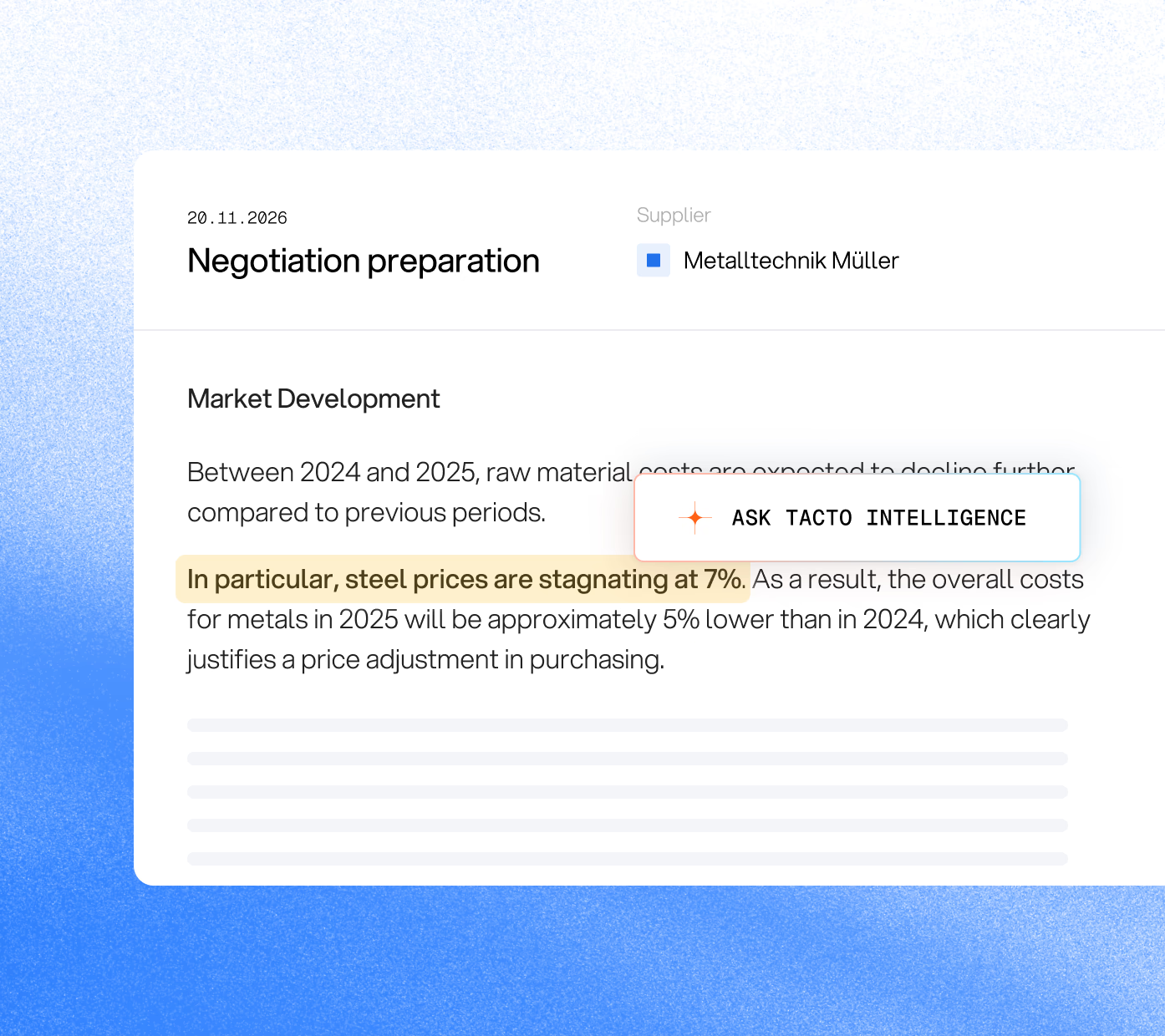
Tacto Intelligence links your ERP data to over 20,000 commodity and market indices, including steel, cold-rolled strip, galvanizing, energy, and freight. This allows you to see in real time which Categories your portfolio are affected by current market movements.
>20.000
Price indices integrated
75 %
less preparation work
>5.000
Price increases prevented with Defender Agent
Aluminum price forecast: Assessment by our Procurement Intelligence Team
base case scenario
In den nächsten 4 bis 6 Wochen rechnen wir mit einem Markt, der sich nach dem Rücksetzer von den März-Hochs auf einem weiterhin hohen Niveau einpendelt. Die LME-Bestände sind weiter gefallen und liegen auf einem im Jahresvergleich klar niedrigeren Niveau. Qatalum arbeitet weiter mit rund 60 % Kapazität, Alba hat 19 % der Kapazität vom Netz genommen und wurde am 29. März zusätzlich durch einen iranischen Angriff getroffen. Die europäischen physischen Prämien haben ein Allzeithoch erreicht. All das stützt ein weiter hohes Preisniveau, auch wenn der akute Schock vom Anfang März teilweise verarbeitet ist.
risk scenario
Das relevante Risiko liegt weiter auf der Oberseite. Der iranische Angriff auf Albas Standort in Bahrain am 29. März zeigt, dass die Versorgungsrisiken im Golf nicht abnehmen, sondern sich ausweiten. Wenn sich die Einschränkungen bei Qatalum und Alba verlängern, weitere Kapazität ausfällt oder die europäischen Prämien nochmals steigen, ist eine deutliche Neubewertung des Marktes möglich. Die CBAM-Compliance-Frist am 31. März 2026 wirkt als zusätzlicher Unsicherheitsfaktor für Importeure.
Related commodity prices
Related topics in the purchasing glossary
Frequently asked questions
On a clear distinction between LME basis, physical premium, alloy logic, and processing. Anyone who accepts all four levels in a flat-rate increaseProcurement the most important lever inProcurement .
Via three channels: higher supply risk, longer or more uncertain transport routes, and rising risk premiums. For Procurement Europe, it is therefore not only important whether aluminum prices rise on the LME, but also whether imported material can be procured reliably and at predictable additional costs.
Whenever the physical market becomes tighter than the paper market. That is precisely the risk at present: production disruptions and transport problems in the Gulf are affecting Europe not only via the LME price, but also via higher premiums and poorer availability.
