COMMODITY PRICES
Current nickel price: price, development & forecast for 2026
29.03.2026
Nickel is a contradictory market in 2026: politically supported upside risk on the one hand, high inventories and an expected surplus on the other. For Procurement Germany, Austria, and Switzerland, the most important factor is how strongly nickel actually impacts stainless steel and alloy prices. Updated every two weeks.
price history
For many buyers, nickel has an indirect effect—primarily through stainless steel, alloy surcharges, and special materials. The LME price is therefore relevant, but never the entire pricing logic.
AT A GLANCE
- Nickel hat sich seit dem letzten Update wieder in den oberen Bereich der bisherigen Jahresspanne bewegt. Der öffentlich sichtbare März-Durchschnitt liegt bei 17.270 US$/t und damit klar über dem Niveau von Dezember, aber weiter unter den Zwischenhochs von Ende Januar und Mitte Februar. Im Monatsverlauf hat der Preis die Marke von 18.000 US$/t kurzzeitig getestet. Der Markt handelt jetzt wieder klar im oberen Bereich der Spanne seit Jahresbeginn.
- Indonesiens Quotenpolitik wirkt stärker als erwartet. PT Weda Bay Nickel darf 2026 zunächst nur 12 Mio. Tonnen fördern — ein Rückgang von 71 % gegenüber 42 Mio. Tonnen im Jahr 2025. Die nationalen RKAB-Quoten für 2026 liegen bei 260–270 Mio. Tonnen (nach 379 Mio. Tonnen in 2025). Die niedrigeren 2026er Quoten sind inzwischen konkret, auch wenn Genehmigungen und mögliche Revisionen weiter im Fluss sind. Für den Markt ist das der zentrale Stützfaktor, auch wenn der Grundsätzlich-Überschuss nicht verschwunden ist.
- Besonders exponiert bleiben nickelintensive Edelstahl- und Legierungsanwendungen. Für den europäischen Edelstahlmarkt melden Branchenquellen weiterhin steigende Preise bei Blechen und Platten, längere Lieferzeiten der Werke und höhere Legierungszuschläge. CBAM macht Nicht-EU-Importe zusätzlich anspruchsvoller. Für den Einkauf heißt das: Die Zuschlagsseite bleibt unter Druck.
Contents
What is driving the price right now?
Nickel hat seit dem letzten Update die Richtung gewechselt. Statt des leichten Rücksetzers, der die Lage am 23. März prägte, zeigt der Markt Ende März wieder nach oben. Der öffentlich sichtbare März-Durchschnitt liegt bei 17.270 US$/t und hat im Monatsverlauf kurzzeitig 18.000 US$/t getestet. Der Haupttreiber bleibt Indonesien, aber die Stärke der aktuellen Bewegung deutet darauf hin, dass der Markt die Quotenkürzungen zunehmend als reale Angebotseinschränkung einpreist, nicht mehr nur als politisches Signal.
Indonesien: Die Quotenkürzung bei Weda Bay ist jetzt konkret
Eramet hat bestätigt, dass das Joint Venture PT Weda Bay Nickel für 2026 zunächst nur ein Produktions- und Verkaufsvolumen von 12 Mio. Tonnen beantragen darf — nach 42 Mio. Tonnen im Jahr 2025. Das ist ein Rückgang von 71 %. Auf nationaler Ebene soll die Förderquote 2026 auf 260 bis 270 Mio. Tonnen fallen, nach 379 Mio. Tonnen in 2025 (rund −30 %). Die niedrigeren 2026er Quoten sind inzwischen konkret, auch wenn Genehmigungen und mögliche Revisionen weiter im Fluss sind. Für den Markt ist das der wichtigste kurzfristige Hebel — und der Grund, warum Nickel trotz hoher Lagerbestände und einem erwarteten Überschuss nicht stärker nach unten läuft.
Das Überschussbild bleibt bestehen, begrenzt aber die Rally
ING erwartet für 2026 weiterhin einen Überschuss von rund 261 kt und sieht den Jahresschnitt bei 15.250 US$/t. Die LME-Bestände haben sich seit dem Februarhoch leicht reduziert, liegen aber weiter deutlich über Vorjahr. Das Grundbild ist damit unverändert: Indonesien stützt den Preisboden, aber das globale Überangebot verhindert eine nachhaltige Rally über 18.000 US$/t hinaus.
Der europäische Edelstahlmarkt bleibt fest
Im europäischen Edelstahlmarkt setzen sich die Trends vom letzten Update fort. Branchenquellen berichten weiter von steigenden Preisen bei Blechen und Platten (rund 8–10 % seit Ende 2025), getrieben durch höhere Rohmaterialpreise für Nickel, Schrott und Molybdän, reduzierte Importpreisdynamik aus Asien unter CBAM und längere Lieferzeiten der Werke. Gleichzeitig bleibt die Endnachfrage in den größten europäischen Märkten eher flach. Für den Einkauf heißt das: Höhere Zuschläge und Werkspreise sind derzeit plausibel, aber nicht jede Erhöhung kann mit boomender Endnachfrage begründet werden.
Where the movement is first becoming apparent
Edelstahl-Bleche und -Platten: Hier bleibt die aktuelle Bewegung am sichtbarsten. Preissteigerungen von rund 8 bis 10 % seit Ende 2025 setzen sich fort.
Geschweißte Rohre, Fittings und Flansche: Der regulierungsgetriebene Aufwärtstrend durch CBAM hält an. Europäische Werke haben mehr Preishebel als vor einem Jahr.
Güten mit höherem Nickel- und Molybdänanteil: Besonders bei 316 und 316L zeigt sich der Legierungszuschlagsdruck am stärksten.
What does this mean specifically for Procurement Germany, Austria, and Switzerland?
Nickelzuschlag und Grundmaterial trennen.
Bei Edelstahl und Speziallegierungen sollten Nickelanteil, Legierungszuschlag, Grundmaterialpreis, Verarbeitung und Logistik weiter getrennt ausgewiesen werden. Gerade jetzt ist das der wichtigste Hebel gegen pauschale Erhöhungen, weil der Nickelmarkt zwar einen festeren Preisboden hat, aber kein echter Mangelmarkt ist.
Warengruppen-Exposure realistisch prüfen.
Besonders relevant bleibt die Entwicklung für Tanks, Rohrleitungen, Ventile, Armaturen, Befestiger und sonstige korrosionskritische Edelstahlkomponenten. Dort kann Nickel die Zuschlagsseite tatsächlich bewegen. Bei weniger nickelintensiven Produkten ist der direkte Effekt oft kleiner, als Lieferanten nahelegen.
Die Indonesien-Story in Preisgesprächen einordnen.
Lieferanten können sich jetzt belastbarer auf die indonesischen Quotenkürzungen berufen als noch vor zwei Wochen — die Weda-Bay-Kürzung von 71 % ist real und die niedrigeren 2026er Quoten greifen zunehmend. Gleichzeitig bleibt der globale Markt im Überschuss. Für den Einkauf heißt das: Indonesien ist ein plausibles Argument für einen festeren Preisboden, aber nicht für eine panische Zuschlagsausweitung.
What is currently plausible in negotiations and what you should examine separately
Plausibel ist bei Nickel derzeit ein festerer Preisboden als im letzten Update. Die Quotenpolitik bei Weda Bay und auf nationaler Ebene ist real und hat den Markt in den oberen Bereich der bisherigen Jahresspanne bewegt. Ebenso plausibel sind höhere Zuschläge in nickelintensiven Edelstahlanwendungen, wenn sich der Lieferant auf konkrete Werkstofflogik, Rohmaterialpreise und das aktuelle Edelstahlmarktbild in Europa stützt.
Getrennt prüfen sollten Sie dagegen jede pauschale Weitergabe auf Edelstahl- oder Legierungszuschläge. Die LME-Bestände liegen weiter hoch, ING erwartet für 2026 weiterhin einen Überschussmarkt. Für den Einkauf heißt das: Ein Lieferant kann sich auf Indonesien berufen, aber daraus folgt nicht automatisch, dass jeder Zuschlag in vollem Umfang gerechtfertigt ist.
classification
Nickel hat sich zuletzt wieder im oberen Bereich der bisherigen Jahresspanne eingependelt, bleibt aber weiter kein Markt für Alarm. Die richtige Reaktion im Einkauf ist konsequentes Zerlegen von Zuschlägen, Werkstofflogik und Lieferantenargumentation. Indonesien stützt den Preisboden stärker als zuvor, aber das Überangebots- und Lagerbild bleibt das wichtigste Gegengewicht.
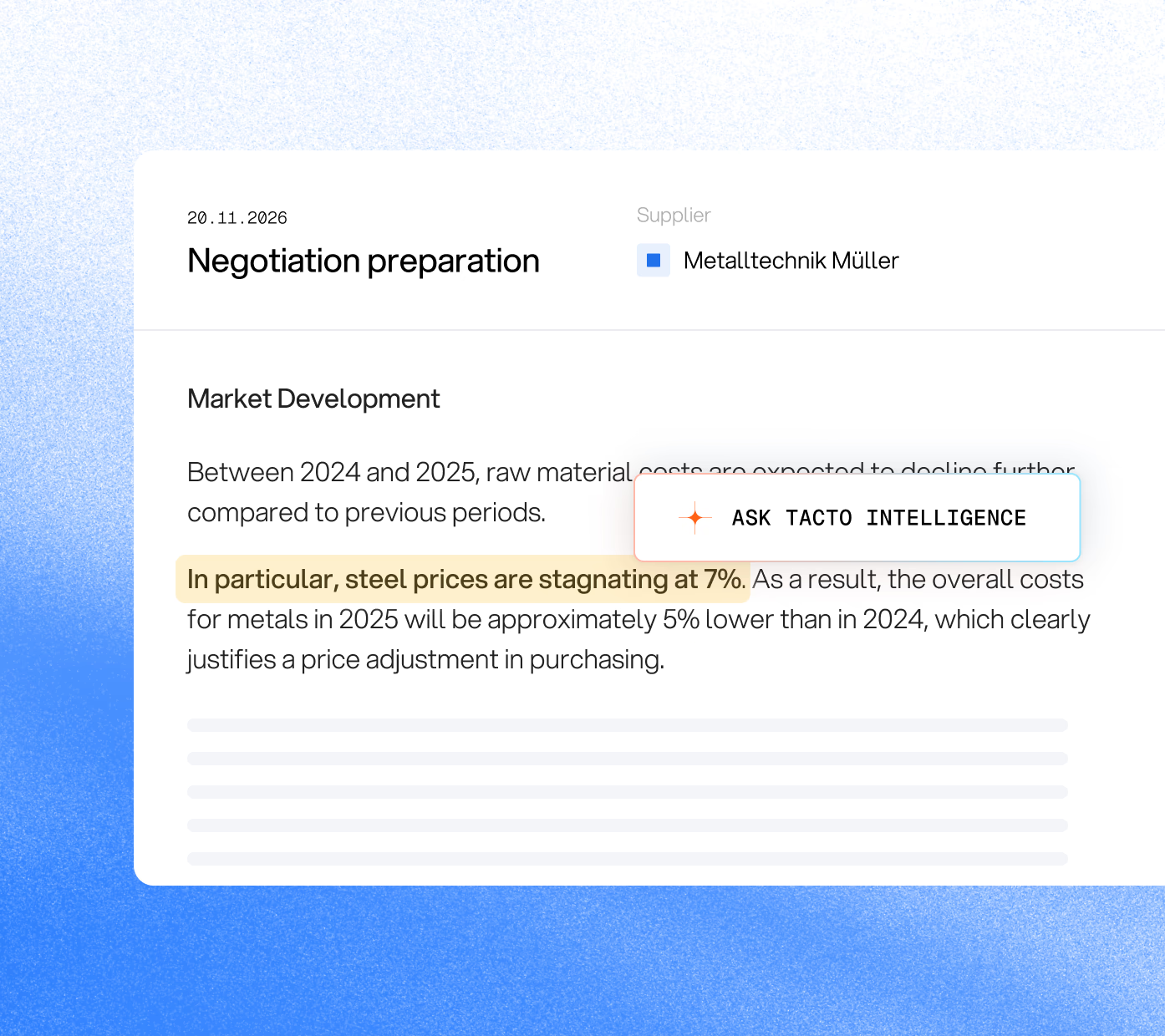
Tacto Intelligence links your ERP data to over 20,000 commodity and market indices, including steel, cold-rolled strip, galvanizing, energy, and freight. This allows you to see in real time which Categories your portfolio are affected by current market movements.
>20.000
Price indices integrated
75 %
less preparation work
>5.000
Price increases prevented with Defender Agent
Nickel price forecast: Assessment by our Procurement Intelligence Team
base case scenario
In den nächsten 4 bis 6 Wochen rechnen wir weiter mit einem stabilen bis leicht festeren Nickelmarkt. Indonesiens Quotendisziplin wirkt stärker als noch zum Zeitpunkt des letzten Updates und hält den Preisboden unter dem Markt. Gleichzeitig bleiben hohe Lagerbestände und das erwartete Überschussbild für 2026 der wichtigste Deckel nach oben. Das wahrscheinlichste Bild ist ein Markt im oberen Bereich der bisherigen Spanne, nicht weit darüber.
risk scenario
Das relevante Risiko liegt weiter auf der Oberseite, falls Indonesien die Angebotsdisziplin weiter verschärft oder wenn die niedrigeren 2026er RKAB-Quoten den Markt stärker einschränken als aktuell eingepreist. Der Preis hat im März bereits kurzzeitig die Marke von 18.000 US$/t getestet. Falls die europäische Edelstahlnachfrage gleichzeitig weiter anzieht und Zuschläge steigen, würde sich das für DACH-Einkäufer besonders über nickelintensive Edelstahl- und Legierungsanwendungen zeigen.
Related commodity prices
Related topics in the purchasing glossary
Frequently asked questions
Where suppliers want to pass on rising nickel prices directly and in full, even though stocks are high and the market remains fundamentally oversupplied. Those who separate surcharges, base materials, and other cost components gain room for negotiation here.
More than from any other single source. The cuts at Weda Bay and at the state level show that Indonesia can actively control supply. This is precisely where the key upside risk for nickel currently lies.
Then, when the actual nickel content, the contractual surcharge mechanism, and the current market environment all align. In the current market, high inventories and the expected oversupply are valid counterarguments against flat-rate or excessive surcharges.
